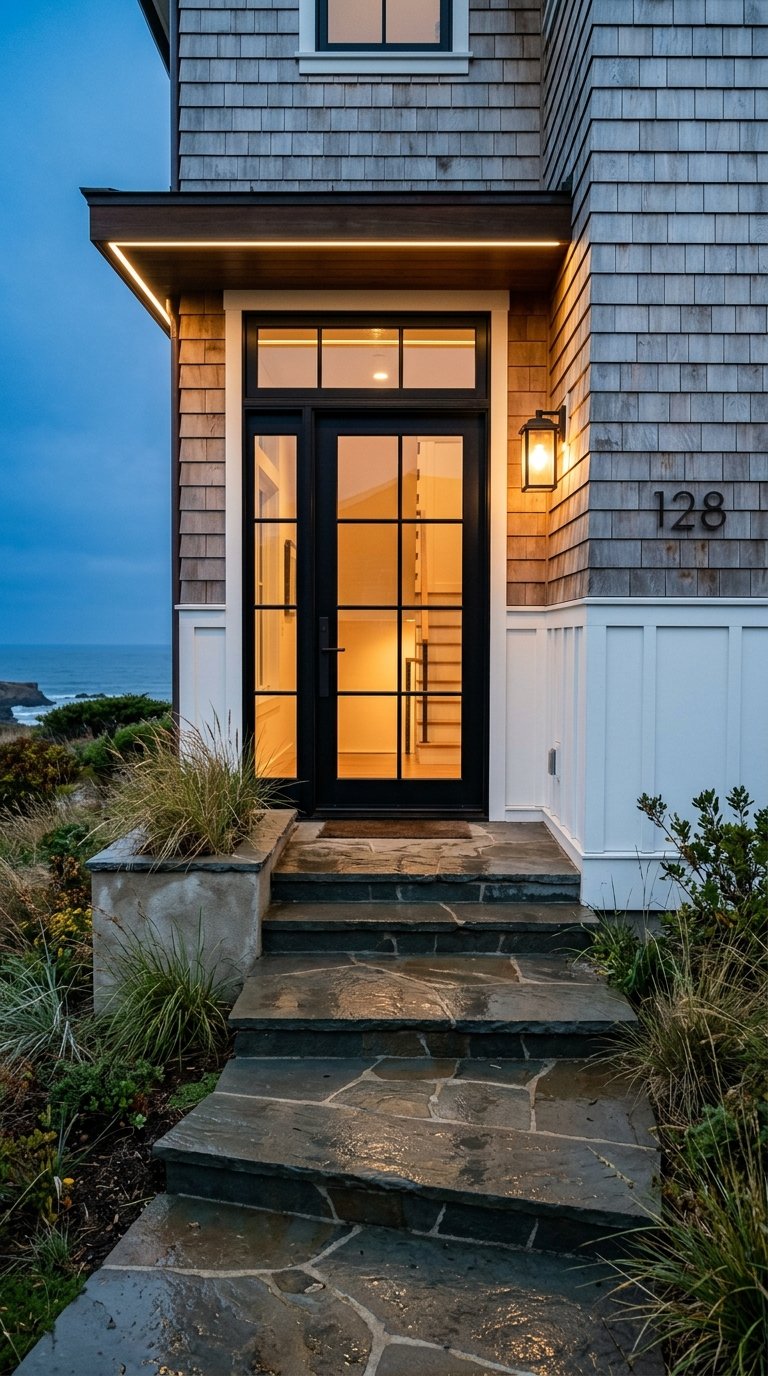
If you picture a second home in Stone Harbor as something you lock up and revisit when the mood strikes, it helps to reset that expectation. Owning here is rewarding, but it is also seasonal, weather-aware, and tied to local rules that matter more than many buyers first assume. If you are thinking about buying or already planning for ownership, this guide will walk you through what to expect so you can make smart decisions with fewer surprises. Let’s dive in.
Stone Harbor ownership is seasonal
A second home in Stone Harbor tends to run on a very clear calendar. During the summer beach season, beach tags are required for everyone age 12 and older, lifeguards are on duty from Memorial Day to Labor Day, and paid parking runs from May 1 to October 1 through ParkMobile rather than cash, according to the borough's general information page.
That rhythm affects how you plan your time at the shore. Opening weekends, guest arrivals, beach access, and parking all take a little more coordination during peak season. If you are sharing the home with family or visitors, it helps to think through those details before everyone arrives.
The borough's services also shift with the time of year. Public Works operates with different summer and winter trash schedules, notes that weather and staffing can affect collection timing, and states that it does not check every house during the off-season. That means your ownership experience is not just about the home itself. It is also about staying ahead of the seasonal schedule.
Daily ownership needs a plan
One of the biggest second-home mistakes is assuming routine items will somehow take care of themselves. In Stone Harbor, several basic tasks have specific rules and deadlines, so a simple ownership calendar can save you time and stress.
For example, water and sewer are billed quarterly. The borough says bills are due on March 1, June 1, September 1, and December 1, and are typically mailed about three weeks before the due date through the Department of Water and Sewer. Just as important, the borough also notes that homeowners are responsible for knowing when payment is due.
Trash service has its own local process. Stone Harbor uses rear-yard pickup, and the borough asks owners with fenced yards, pools, or pets to place cans outside the fence on collection day. It also recommends marking cans with the property address because storms can move them, according to Public Works guidance.
If you are not on the island full-time, small items can snowball quickly. A missed bill, a trash issue, or outdated emergency contacts can become a bigger headache when you are hours away. That is why many second-home owners do best with a set system rather than a casual check-in approach.
Storm and flood planning matter
In a shore town like Stone Harbor, flood and storm planning should be part of your ownership mindset from day one. This is not about alarm. It is about understanding the property and being prepared.
Stone Harbor has a dedicated flood damage prevention chapter in its local code that addresses flood hazard areas, coastal high-hazard areas, permits, and flood compliance certificates. If you are considering renovations, elevation changes, or rebuilding work, those requirements can add time, cost, and additional steps.
Insurance is another major piece of the puzzle. FEMA states that most homeowners insurance does not cover flood damage and that flood insurance is a separate policy. FEMA also provides access to its Flood Map Service Center so owners and buyers can verify flood-hazard status.
Storm response in Stone Harbor is also a real operational issue, not just a theoretical one. In a recent borough flood alert, the town activated sirens and CodeRED, closed drainage valves to reduce backflow, and moved vehicles to higher ground. For you as an owner, that means it is wise to ask direct questions before closing about flood zone, elevation, drainage, insurance options, and what access may look like during a major weather event.
Emergency contacts are worth setting up early
If you will spend part of the year away from Stone Harbor, your emergency communication setup matters. The borough offers an Emergency Notification System that accepts local, cell, and out-of-town numbers, which is especially useful for second-home owners who may not always be on-site.
The police department also provides a residential emergency contact form and references a property-check option through its public safety resources. On a practical level, these tools can help you stay informed if weather, flooding, or another issue affects your property while you are away.
This is one of those details that is easy to postpone. It is also one of the simplest ways to create peace of mind. If you own from Philadelphia, North Jersey, New York, or anywhere outside Cape May County, keeping your contact information current is a smart move.
Renting adds another layer
If you plan to offset costs with rental income, Stone Harbor has a formal compliance process you need to understand before marketing the property. Rental ownership here is not just about finding tenants. It also comes with registration, inspection, licensing, and insurance requirements.
Under Stone Harbor's rental property code, rental properties and rental units must be registered, inspected, and licensed annually, and the property may not be occupied unless it complies. The license term runs from January 1 through December 31.
The same code states that rental owners must keep required liability insurance on file, register the insurance certificate with the borough, and comply with state landlord registration rules. The code lists minimum liability coverage of $300,000 for certain small owner-occupied multifamily properties and $500,000 for other rental units, along with a stated maximum penalty of $5,000 for failing to register the insurance.
There are also occupancy rules and required disclosures. The borough code sets maximum occupancy limits, requires disclosure forms for tenants, and defines a seasonal tenant as a lease of 125 days or more per year. If rental income is part of your plan, it is worth confirming early how you intend to use the property so you can line up the right paperwork and timing.
Local coordination makes ownership easier
One reason second-home ownership feels easier for some buyers than others comes down to local coordination. In Stone Harbor, many parts of ownership are time-sensitive and town-specific, so having reliable local help can make a real difference.
For example, the Stone Harbor Police Department notes that it has 17 full-time officers plus about 16 summer officers, showing how staffing expands during peak season. The Fire Prevention Bureau also provides rental links and lists Cape May County fire extinguisher servicing companies, along with information about Knox Box and alarm-related requirements for some properties.
That gives you a sense of how local and hands-on shore ownership can be. You may need help coordinating inspections, meeting vendors, checking on storm prep, or handling an issue while you are away. For many out-of-area buyers, that is where working with a year-round local agent becomes especially valuable.
What to expect before you buy
If you are still in the buying stage, it helps to think beyond bedrooms, views, and walkability. A Stone Harbor second home should also be evaluated as an ongoing ownership experience.
Here are a few practical topics to review before you close:
- Flood zone and elevation
- Flood insurance options
- Drainage and storm access considerations
- Quarterly utility billing dates
- Trash pickup logistics
- Peak-season parking and beach access
- Rental licensing and inspection requirements if you plan to rent
- Emergency notification and contact setup
None of these items should scare you away from ownership. They simply shape what responsible ownership looks like in this market. When you understand them up front, you can buy with more confidence and fewer surprises.
The bottom line for second-home buyers
Owning a second home in Stone Harbor can be a great fit if you go in with the right expectations. It is less of a passive getaway property and more of a calendar-driven, locally managed home that benefits from planning, maintenance, and clear systems.
That said, many buyers are drawn to Stone Harbor for exactly the reasons that make the effort worthwhile. If you want a shore home for personal use, long-term family enjoyment, or a rental strategy that fits local rules, the key is understanding how ownership works before you commit. If you want help thinking through the day-to-day realities of a Stone Harbor purchase, connect with Joseph L. Butler, Jr. for practical local guidance.
FAQs
What should second-home buyers expect in Stone Harbor?
- You should expect a seasonal ownership experience with summer beach and parking rules, off-season service changes, regular maintenance tasks, and storm planning considerations.
What are the utility billing dates for Stone Harbor homeowners?
- According to the borough water and sewer department, quarterly bills are due March 1, June 1, September 1, and December 1.
What does Stone Harbor require for rental properties?
- Stone Harbor requires rental properties and rental units to be registered, inspected, and licensed annually, with additional insurance and occupancy requirements under the borough code.
Why is flood planning important for Stone Harbor homes?
- Flood planning matters because local code includes flood compliance rules, and FEMA states that flood damage is generally not covered by standard homeowners insurance.
How can part-time owners stay informed about emergencies in Stone Harbor?
- Part-time owners can sign up for the borough's Emergency Notification System and keep residential emergency contact information current through local public safety resources.